
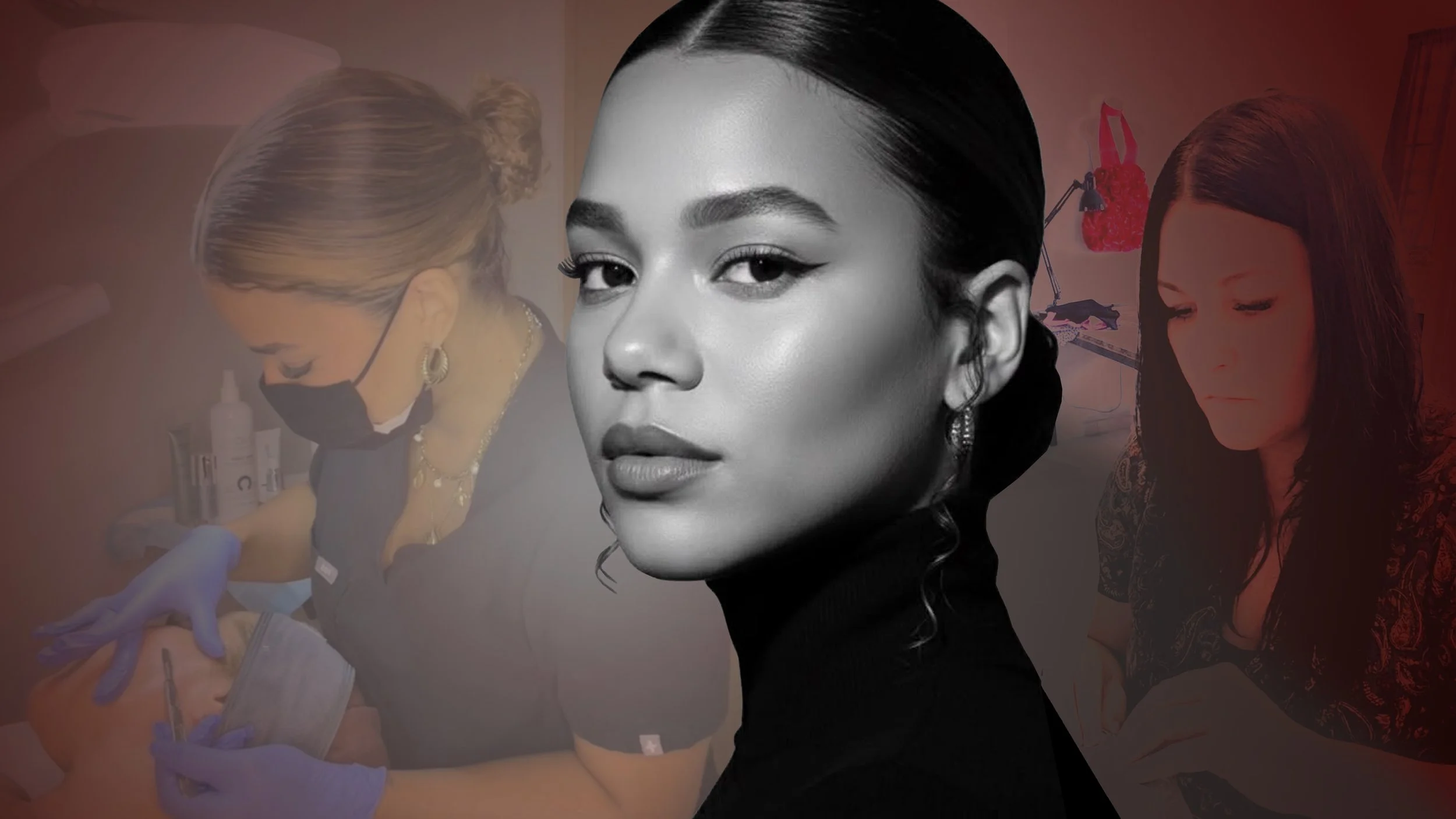
Madeline Gómez and Natalia Figueroa don’t know each other, but they have various things in common: they both left nursing to learn new jobs. Far from the capital and with the support of non-profit organizations, they tell of how they got here and the challenges they face.

“This time, the attack comes from within. Those in power are themselves weakening the institutions, checks and balances, and safeguards that for generations defined the United States in the eyes of the world.”
“El ataque, esta vez, viene desde dentro. Desde el propio poder se debilitan instituciones, contrapesos y garantías que durante generaciones definieron a Estados Unidos ante el mundo”.
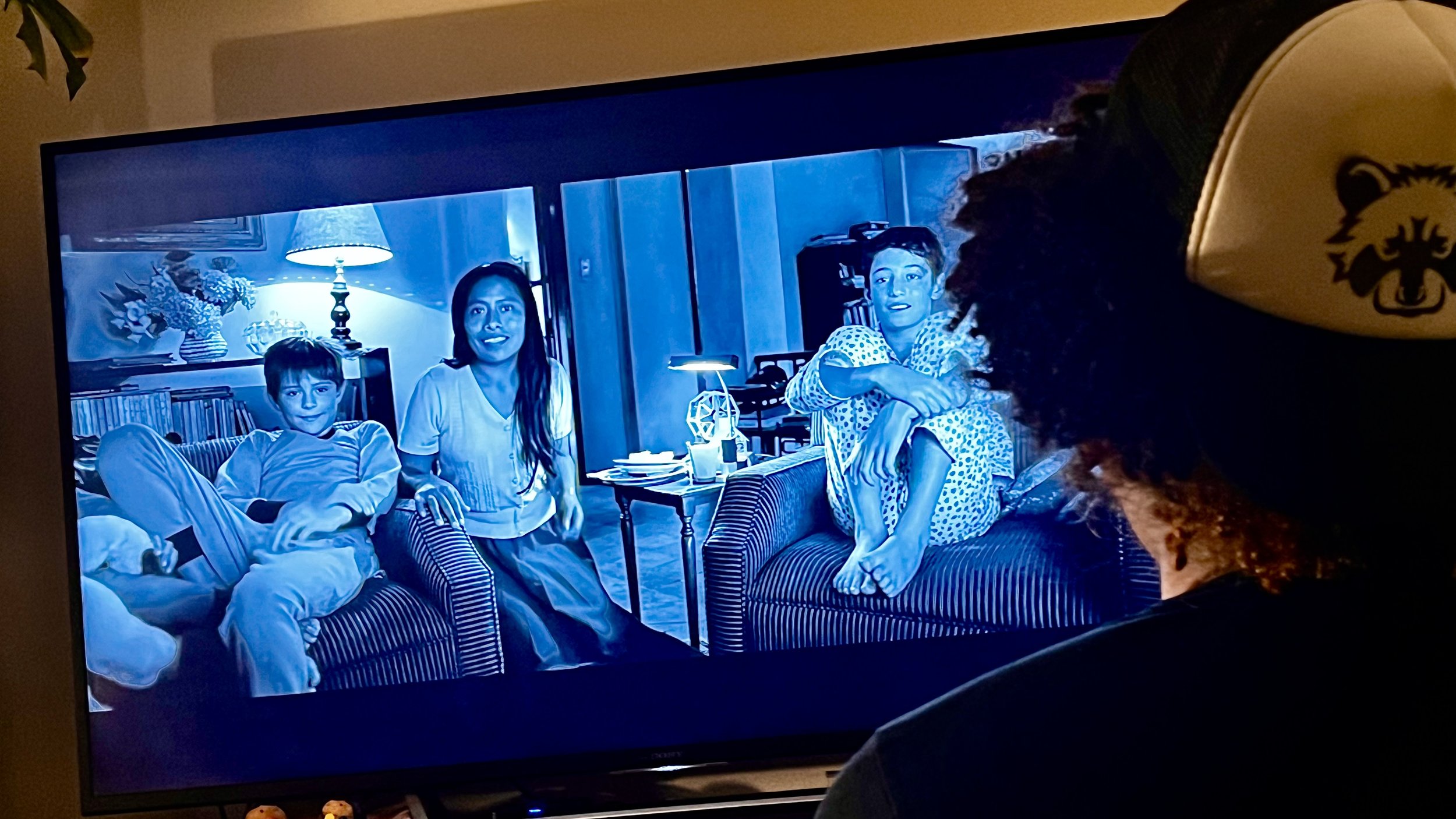
A stream of projects by Netflix and international studios has Mexico standing out in today’s film industry
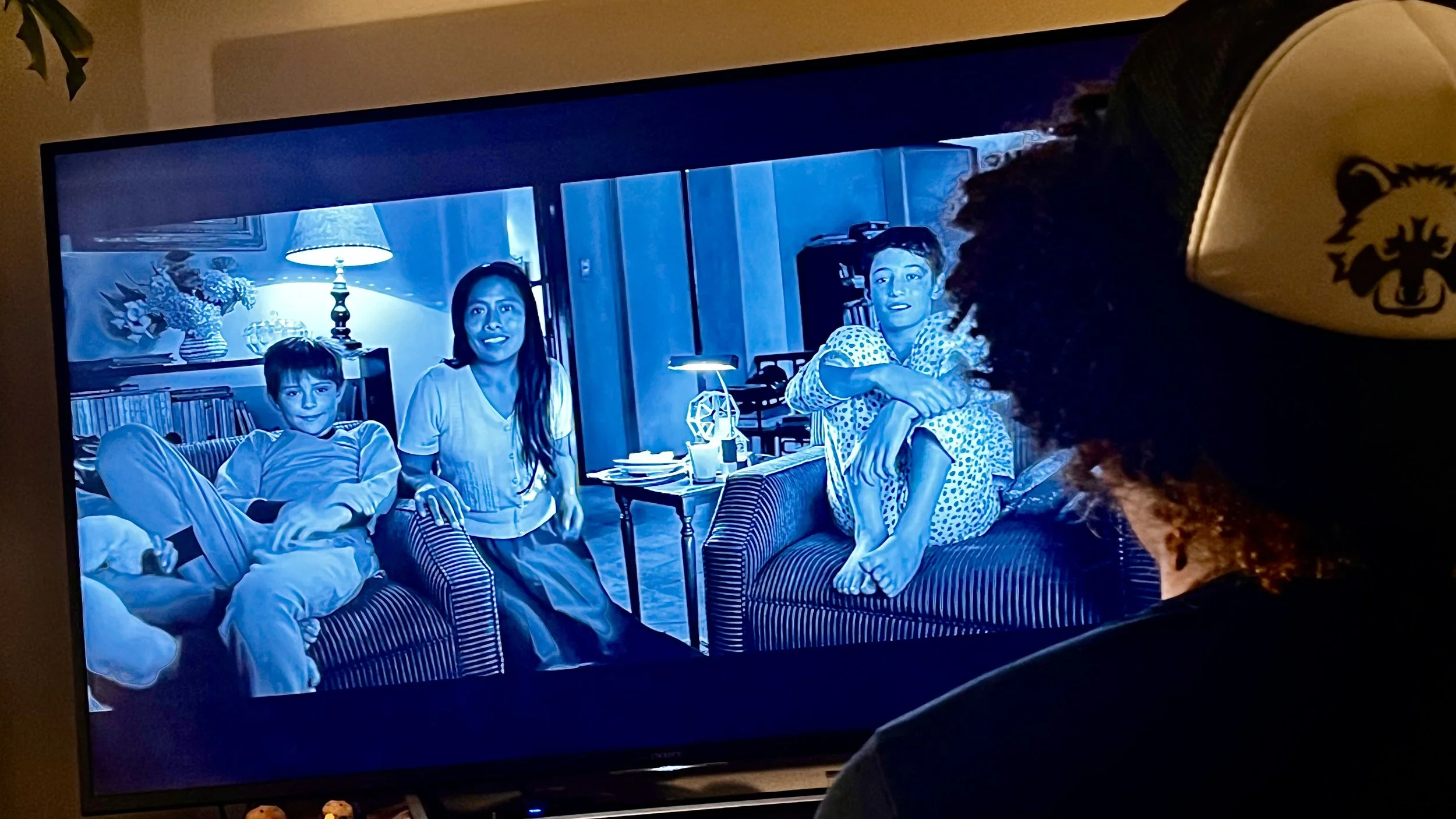
Una sucesión de proyectos de Netflix y grandes estudios internacionales convierte a México en uno de los principales polos de producción audiovisual

Daniel Ramírez, el “America’s Tenor” y expolicía neoyorquino, repasa cómo su voz reconfortó a una nación en duelo, a 25 años del 11 de septiembre.
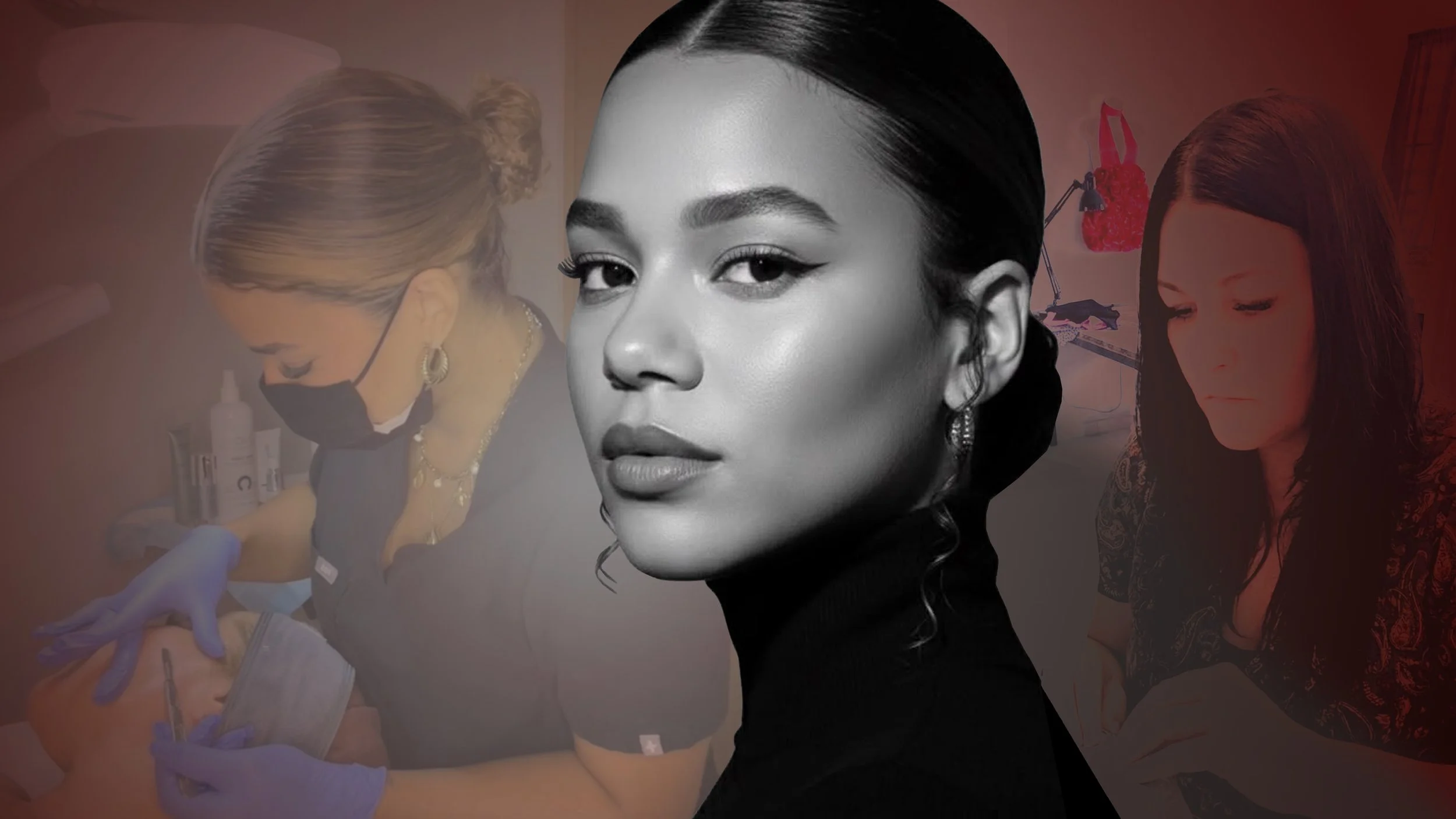
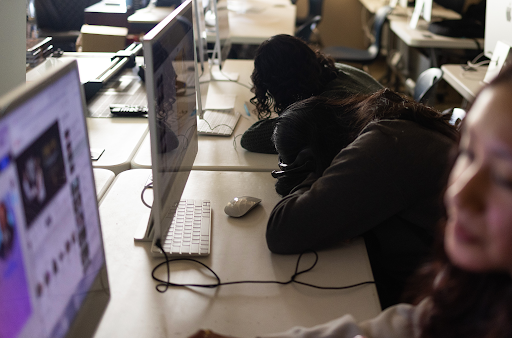














Madeline Gómez y Natalia Figueroa no se conocen, pero tienen varias cosas en común: ambas dejaron la enfermería para aprender nuevos oficios. Lejos de la capital y con el apoyo de organizaciones sin fines de lucro, cuentan cómo llegaron aquí y los retos que enfrentan.